When businesses think about damaged deliveries, the first concern is usually replacing the damaged product itself.
However, the real cost often goes much further than the item being returned or refunded.
Damaged deliveries can affect customer confidence, business reputation, operational efficiency and long-term costs — especially for companies shipping fragile products regularly.
The direct financial costs
Every damaged delivery can create several immediate expenses for businesses, including:
- Replacement products
- Additional shipping costs
- Refunds and compensation
- Administrative time
- Repackaging and resending orders
Over time, even occasional delivery damage can become expensive and time-consuming.

The impact on customer confidence
Customers expect products to arrive safely and in good condition.
When an order arrives damaged, it can create frustration and reduce confidence in the business.
In competitive industries, customers may quickly choose alternative suppliers after a poor delivery experience.
Negative experiences can also affect:
- Repeat purchases
- Customer loyalty
- Brand reputation
- Online reviews
Reliable deliveries are an important part of maintaining customer trust.
Operational disruption behind the scenes
Damaged deliveries also create additional pressure within warehouses and customer service teams.
Businesses may need to:
- Process returns
- Arrange replacements
- Respond to complaints
- Investigate shipping issues
- Repack products for redispatch
This can reduce operational efficiency and increase workload during already busy periods.
Why protective packaging matters
Reliable packaging plays a major role in reducing the risk of damage during storage, handling and transit.
Products can experience:
- Impacts during transport
- Vibration in transit
- Pressure from stacking
- Sudden movement during handling
Protective packaging helps cushion products and reduce unnecessary movement inside the box.
Storage efficiency and workflow
Efficient packaging can also improve warehouse organisation and packing processes.
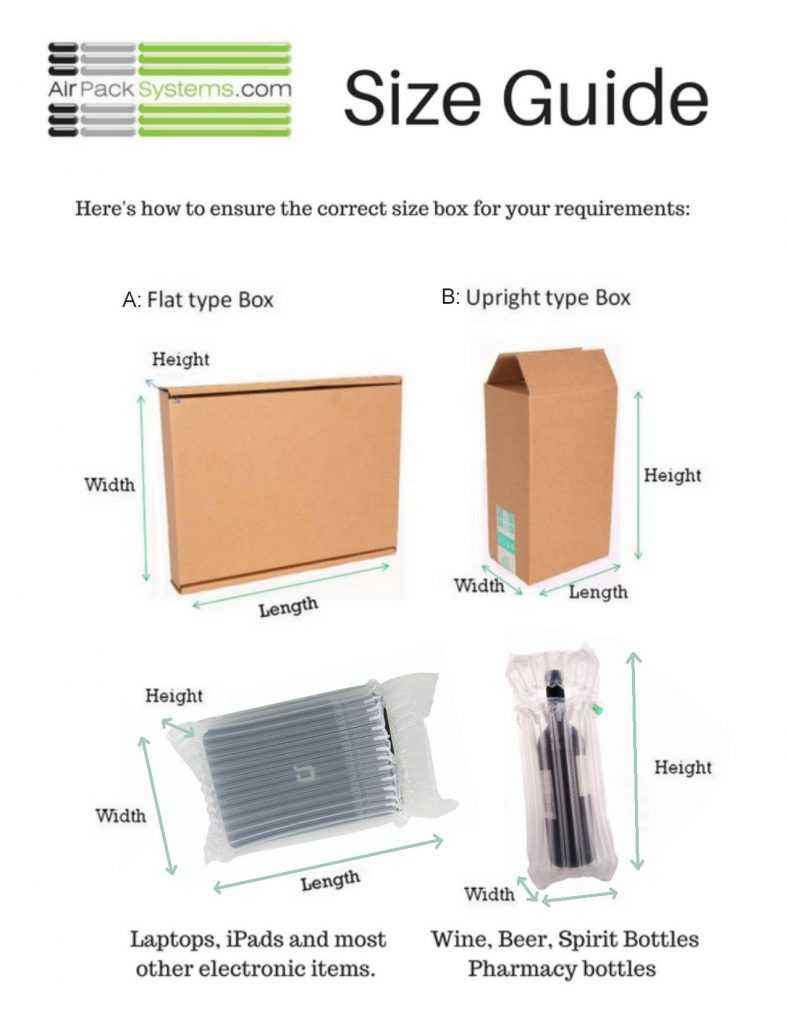
Inflatable protective packaging offers an additional advantage because the bags are supplied flat before inflation, meaning they take up significantly less storage space than bulky pre-formed packaging materials.
This can help businesses:
- Improve warehouse organisation
- Reduce clutter in packing areas
- Store larger quantities of packaging materials
- Improve packing efficiency during busy periods
How AirPack can help
At AirPack Systems, we provide inflatable protective packaging solutions designed to help businesses reduce delivery damage while improving operational efficiency.
Our packaging solutions are suitable for a range of fragile products including:
- Electronics
- Bottles
- IT equipment
- Other delicate goods
Final thoughts
The true cost of damaged deliveries often extends far beyond replacing the original item.
Investing in reliable protective packaging can help businesses reduce unnecessary costs, improve customer confidence and maintain smoother operations over time.