TLDR Summary:
- European Week for Waste Reduction runs from 21-29 November 2026.
- This year’s theme is Material Sufficiency.
- Waste prevention starts with using materials efficiently, not simply recycling them afterwards.
- Right-sized, consistent packaging can help avoid unnecessary material use.
- Reducing packaging should never mean compromising product protection.
What is European Week for Waste Reduction 2026?
European Week for Waste Reduction 2026 takes place from 21 to 29 November and encourages businesses, organisations and individuals to think more carefully about resource use and waste prevention.
This year’s theme is Material Sufficiency – essentially asking whether we can meet our needs while using materials more intelligently and avoiding unnecessary consumption.
The European Week for Waste Reduction promotes actions including reducing, reusing, repairing, refurbishing, repurposing and recycling as part of a more circular approach to resources.
For businesses that regularly ship products, packaging is an obvious place to apply some of those principles.
Waste prevention comes before recycling
Recycling is important, but it happens after a material has already been used.
Waste prevention asks an earlier question:
Did we need to use that much material in the first place?
For packaging teams, this does not mean stripping away protection until products become vulnerable.
Instead, it means looking at the complete packaging system and identifying where material is genuinely useful and where it may be unnecessary.
A parcel that arrives safely using an appropriately sized box and targeted protection is generally preferable to one using an oversized carton filled with excessive amounts of additional material.
What does material sufficiency mean for packaging?
Material sufficiency is about using enough to perform the required job without automatically assuming that more is better.
In packaging, that might involve:
- Choosing a box that closely matches the product
- Protecting vulnerable areas rather than filling every empty space
- Standardising packing methods
- Avoiding unnecessary layers of material
- Selecting packaging that can be recycled after use
- Reviewing materials that are rarely used or no longer needed.
The important word is enough.
Too little packaging can result in damaged products, while too much can increase material use, cost, storage requirements and packing time.
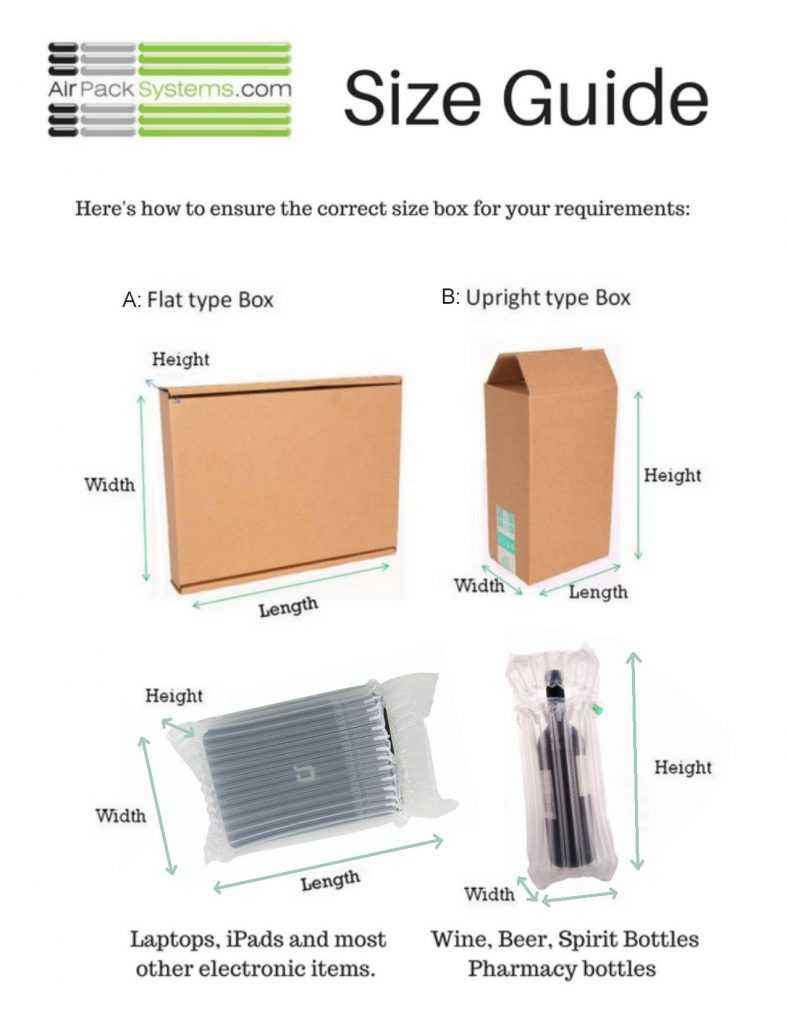
Start with the size of the box
An oversized box can create more empty space around a product than necessary.
That space often needs to be filled with additional packaging to prevent the item from moving around during transport.
Choosing a more appropriately sized carton can reduce that problem before any protective material is added.
It can also make the finished parcel more compact and simplify the packing process.
This does not mean choosing the smallest possible box. There still needs to be enough room for suitable protection around the product.
The aim is to avoid paying for and filling space that serves no useful purpose.
Use targeted protection rather than simply adding more
Different products have different vulnerabilities.
A picture frame may need particular protection around its corners.
A laptop needs cushioning and restraint around its edges.
A bottle needs protection that prevents movement while cushioning the glass.
Understanding where damage is most likely to occur makes it easier to concentrate protection in the places that need it.
Adding another layer of packaging everywhere may feel safer, but it does not necessarily provide a meaningful improvement.
Reducing material should never increase damage
Waste reduction needs to be considered across the entire delivery process.
Removing useful protective material might reduce the amount of packaging used initially, but if the product then arrives damaged, the overall result can be worse.
A replacement may require:
- Another product
- Another box
- More protective packaging
- Another delivery
- A return journey
- Additional handling
Reducing material therefore needs to be balanced with reliable product protection.
The objective should be efficient packaging, not simply the least packaging possible.
Consistency can help reduce unnecessary use
Material waste can also happen at the packing bench.
If employees are not given a clear packing method, they may each use different amounts of material for the same product.
One employee might add extra cushioning because they are unsure whether the standard amount is enough. Another might use several additional strips of tape.
Small differences become much more significant across hundreds or thousands of orders.
A repeatable packing process makes it clearer what each product actually needs.
It can also make training easier and help businesses identify when employees are regularly adding material beyond the intended specification.
Think about packaging before it is used
Waste can also come from packaging that never reaches a customer.
Businesses may purchase unusual box sizes that are rarely used, allow materials to become damaged in storage or hold stock long after a product has been discontinued.
Regularly reviewing packaging inventory can help identify:
- Obsolete packaging
- Duplicate sizes
- Damaged materials
- Stock that is rarely used
- Excess quantities
- Opportunities to simplify the range
Better organisation can therefore reduce waste before materials even reach the packing bench.
Space-efficient packaging can help too
Material efficiency is not only about what goes into the final parcel.
Businesses also need to store packaging before use.
AirPack inflatable bags are supplied uninflated and filled with air when required.
This allows significant quantities of protective packaging to be stored in a relatively compact space before inflation.
For warehouses where storage space is limited, this can help businesses help protective materials readily available without filling large areas with bulky pre-inflated packaging.
Recyclability still matters
Preventing unnecessary material use is one part of the picture.
Businesses should also consider what happens to packaging after the customer has received the product.
AirPack inflatable bags are 100% recyclable and made using 30% recycled material.
Using material efficiently and ensuring that packaging has a viable end-of-life route can work together.
Recycling should not replace waste prevention, but it remains important for the material that genuinely needs to be used.
Small improvements become significant at scale
Saving one piece of unnecessary packaging on a single parcel may appear insignificant.
Across thousands of shipments, the picture changes.
The same applies to using a slightly smaller carton, reducing unnecessary tape or removing an additional layer of protection that testing shows is not required.
Businesses do not necessarily need one dramatic change to reduce packaging waste.
A series of small, well-tested improvements across a high volume of orders can make a meaningful difference.
A useful reason to review your packaging
European Week for Waste Reduction 2026 is a useful reminder that sustainability is not only about what happens to a material after use.
It also means thinking about how much material was needed in the first place.
For packaging, the goal should be straightforward: use the right amount of material to protect the product effectively, avoid unnecessary waste and make responsible choices about what happens to the packaging afterwards.
At AirPack Systems, we supply standard and bespoke inflatable protective packaging designed to provide targeted protection while keeping packing processes practical and efficient.