TLDR Summary:
- Keep boxes, tape and protective packaging clean, dry and organised.
- Store frequently used materials close to packing stations.
- Rotate older stock first and remove damaged or unused packaging.
- Avoid holding more packaging than you realistically need.
- Space-efficient materials can help reduce warehouse storage requirements.
Why packaging storage matters
Businesses spend plenty of time thinking about which packaging to buy.
But what happens to those materials after they arrive at the warehouse?
Poor packaging storage can create problems before a product has ever been packed.
Boxes can become damaged, tape can deteriorate and badly organised stock can waste valuable warehouse space or slow employees down.
As businesses begin preparing for busier trading periods, it is worth checking whether packaging is being stored as carefully as the products it protects.
Keep cardboard boxes dry and protected
Corrugated boxes are designed to provide structure and protection, but they still need sensible storage.
Cartons should be kept somewhere clean and dry rather than exposed to moisture, leaks or damp warehouse conditions.
They should also be protected from unnecessary crushing or impact while waiting to be used.
If stacks of flat-packed boxes become bent or damaged, employees may have more difficulty assembling them properly later.
Keeping commonly used sizes organised separately can also make it easier for employees to find the correct carton quickly.
Don’t forget about packaging tape
Tape may look like on of the simplest materials in the warehouse, but storage conditions still matter.
Adhesive products can be affected by factors such as heat, cold, moisture, dust and long periods of storage.
Keeping tape in its original packaging until needed and storing it in a clean, controlled environment can help maintain its performance.
Older rolls should also be used before newly delivered stock where practical.
A simple first in, first out approach can prevent packaging materials from sitting unused at the back of a shelf for months or years.
Organisation affects packing speed
Good packaging storage is not only about protecting the materials.
It can also affect how efficiently employees work.
Imagine an employee packing an order who needs:
- One particular box size
- A roll of tape
- Protective packaging
- A shipping label
If those materials are spread across different parts of the warehouse or difficult to identify, employees spend additional time searching and walking between storage areas.
Multiply that across hundreds of parcels and the lost time becomes much more noticeable.
Frequently used materials should therefore be positioned where packing teams can access them easily.
Too many packaging types can create clutter
Warehouses often accumulate packaging over time.
A new box size gets introduced for one product. Another protective material is added for a different order. Older stock remains on a shelf because nobody wants to throw it away.
Eventually, employees may have a large number of similar materials to choose from.
That can create clutter and make the packing process unnecessarily complicated.
Reviewing packaging stock periodically gives businesses an opportunity to identify materials that are rarely used, duplicated or no longer needed.
Simplifying the range can make both storage and packing easier.
Inflatable packaging can reduce storage requirements
Protective packaging can occupy a surprising amount of warehouse space, particularly if it is already bulky when delivered.
Inflatable packaging works differently.
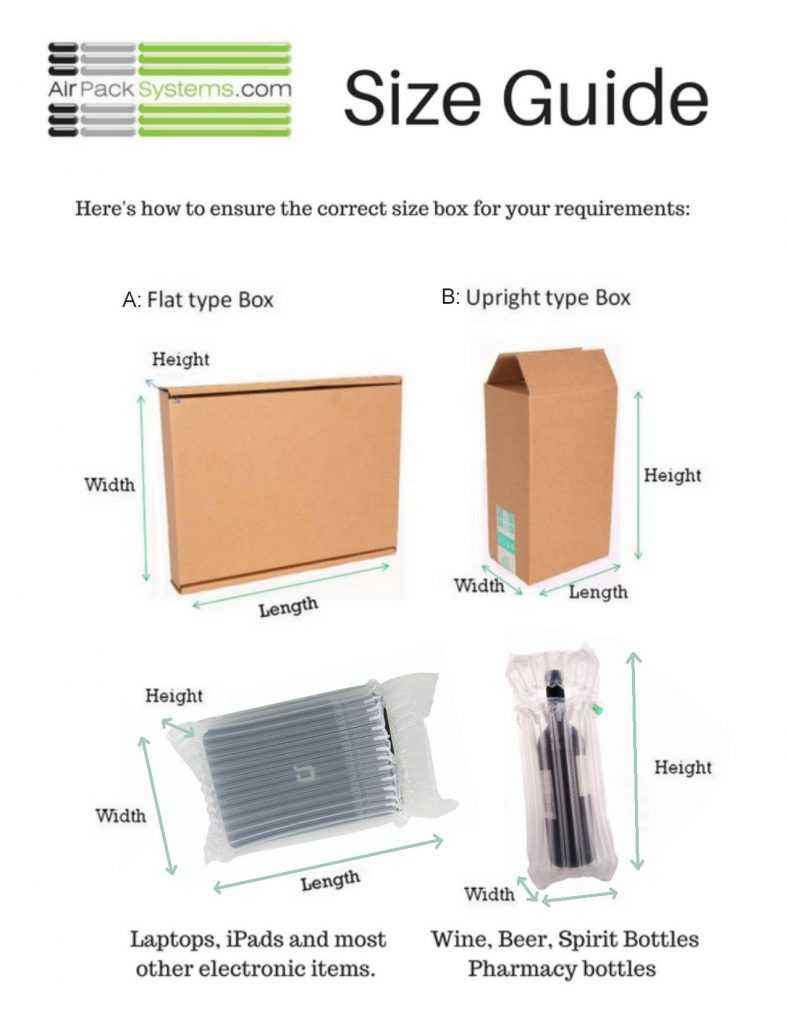
AirPack bags are supplied uninflated and only filled with air when required for packing.
This allows businesses to keep significant quantities of protective packaging on hand while using relatively little storage space compared with the same volume of material once inflated.
For businesses with limited warehouse space – or those increasing packaging stock ahead of peak periods – that can be particularly useful.
Our inflatable bags are also 100% recyclable and made using 30% recycled material.
Store packaging close to where it is used
The ideal storage arrangement will depend on the warehouse, but packaging should generally support the flow of the packing process rather than work against it.
High-use materials might be kept immediately beside packing stations, while reserve stock can remain elsewhere in the warehouse.
This avoids overcrowding the working area while still allowing employees to replenish materials quickly.
The goal should be simple:
Employees should be able to reach the packaging they need without unnecessary searching or movement.
Keep an eye on packaging stock levels
Good storage also makes inventory easier to understand.
If packaging is scattered across the warehouse, it can be difficult to know how much stock actually remains.
That increases the risk of discovering too late that an important box size, bag or roll of tape is running low.
Clear storage locations make visual stock checks easier and can support more accurate ordering.
This becomes particularly important during busy periods when packaging consumption can rise quickly.
Avoid holding unnecessary stock
Running out of packaging is a problem, but holding excessive quantities can create its own issues.
Too much stock can:
- Use valuable warehouse space
- Tie up money
- Make older materials easier to overlook
- Create clutter around packing areas
- Make stock rotation more difficult
Businesses therefore need to find a sensible balance between having enough packaging available and ordering significantly more than they are likely to use.
Monitoring how quickly different materials are consumed can make future purchasing decisions easier.
Review the storage area regularly
Packaging storage should not become a part of the warehouse that nobody questions.
Every so often, take a look at the area and ask:
- Are materials easy to identify?
- Are boxes being kept clean and dry?
- Is older stock being used first?
- Are employees walking unnecessarily far to collect materials?
- Is any packaging rarely used?
- Are damaged materials taking up space?
- Could bulky packaging be replaced with a more space-efficient alternative?
Small changes to storage can sometimes improve the packing process without changing the packaging itself.
Good packaging starts before the packing bench
The performance of packaging does not begin when an employee starts packing an order.
Materials need to arrive at the packing station clean, undamaged and ready to use.
Good packaging storage helps protect stock, reduce clutter, simplify inventory management and make materials easier for employees to access.
At AirPack Systems, our inflatable protective packaging is supplied uninflated, helping businesses keep protective packaging readily available without unnecessarily filling valuable warehouse space.