Give the same product, box and packaging materials to two different employees and you may get two very different results.
One person might use extra cushioning. Another might leave more space around the product. Someone else may position the item differently altogether.
For businesses shipping larger volumes, packaging consistency can become just as important as choosing the right materials in the first place.
Why does packaging consistency matter?
A packaging method may work well when an experienced employee handles every order.
However, businesses rarely operate that way forever.
As order volumes grow, more people may become involved in packing. Businesses may also bring in temporary staff during busy periods or ask employees from other areas to help.
Without a clear process, each person can develop their own way of packing the same product.
That can create differences in:
- The amount of material used
- Product positioning
- Packing time
- Protection during transit
- Presentation when the customer opens the parcel
A repeatable process helps reduce that variation.
Too much choice can slow employees down
Imagine an employee has to choose a box, decide how much cushioning to use, position the product and work out whether it feels secure for every single order.
Those decisions take time.
They also rely heavily on individual judgement.
A well-designed packing process removes unnecessary decisions. Employees know which packaging to use and how to use it.
This can make everyday packing simpler, particularly when a business ships the same products repeatedly.
Standard methods make training easier
New employees need time to learn any warehouse process.
Clear packaging standards can make that training much easier.
Instead of saying, “Use enough packaging to keep it safe”, businesses can provide a defined method for each common product.
For example:
- Select the specified outer box.
- Place the product inside the correct protective packaging.
- Position it according to the packing guide.
- Seal the carton using the agreed method.
- Complete a quick final check.
Employees can follow the same process regardless of who happens to be working that day.
Consistency can make material usage easier to predict
Different packing styles can also make stock planning difficult.
One employee might use twice as much void fill as another for the same product.
Across hundreds or thousands of shipments, those differences can add up.
Better packaging consistency makes material usage more predictable. That can help purchasing teams estimate how much packaging they need and identify unusual levels of consumption.
It can also make it easier to understand the true packaging cost per shipment.
Product-specific packaging can reduce variation
One way to create a more repeatable process is to use packaging that closely matches the product.
If employees rely on loose void fill, they must decide how much to use each time.
A product-specific protective solution removes much of that uncertainty.
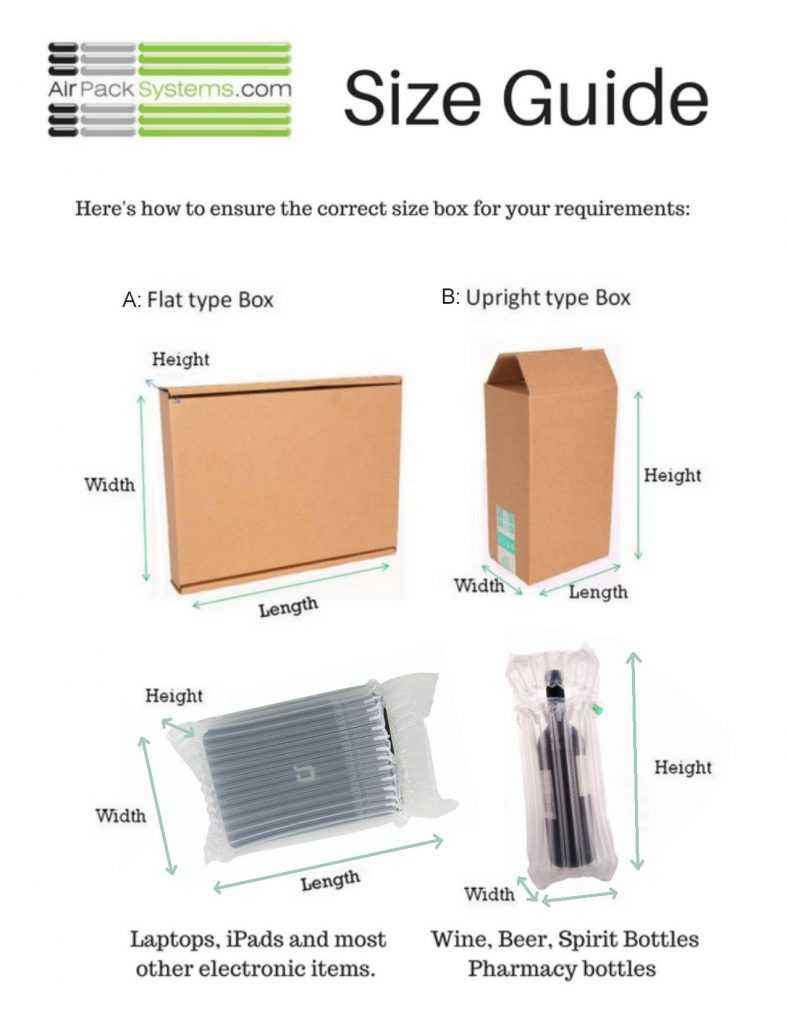
Inflatable packaging can surround the product with defined air chambers, helping hold it securely within the outer carton. Employees can use the same solution repeatedly rather than creating a different arrangement for every order.
For unusual products, bespoke packaging solutions can go a step further by designing the protection around particular dimensions and vulnerable areas.
Consistency becomes more important as businesses grow
Small differences may not seem significant when a business ships ten orders per day.
At 100 or 1000 orders, the situation changes.
Minor variations in packing time, material usage or protection can become much more noticeable at scale.
A standardised process can help businesses:
- Train new staff faster
- Maintain quality during busy periods
- Control material usage
- Reduce packing decisions
- Produce a more consistent customer experience
- Identify problems more easily.
This does not mean every product needs exactly the same packaging.
It means each product or product group should have a clear repeatable approach.
Review the process, not just the packaging
A box, bag or tape may perform perfectly well, while the overall packing process still creates unnecessary variation.
As products, order volumes and packing methods change, it is worth taking time to review your packaging regularly and check whether the process still works as intended.
Watching several employees pack the same product can also reveal useful differences. Do they all use the same materials? Does one method take considerably longer? Are employees adding extra protection because they lack confidence in the standard process?
Those observations can highlight simple opportunities for improvement.
How AirPack Systems can help
At AirPack Systems, we provide inflatable protective packaging for a wide range of products, including electronics, bottles and automotive components.
Because businesses can match our bags to specific products and sizes, they can create repeatable packing methods rather than relying entirely on loose protective materials.
Our bags also arrive uninflated, helping businesses store large quantities efficiently before employees inflate them when required.
For products with unusual dimensions or protection requirements, we can also develop bespoke solutions.
Final thoughts
Good packaging is not only about what materials a business buys. It is also about whether employees can use those materials reliably and repeatedly.
Improving packaging consistency can simplify training, make material usage more predictable and help businesses maintain the same packing standard as order volumes increase.
A clear, repeatable process gives employees fewer decisions to make while helping products receive the protection they need on every shipment.