A damaged delivery is frustrating, but businesses can also treat it as useful information.
Instead of recording the replacement and moving on, looking more closely at damaged delivery data can reveal patterns that help businesses identify where their packaging process may need improvement.
One damaged parcel might be an accident. Repeated damage to the same product, however, can point towards a much bigger issue.
Start by recording what went wrong
Businesses cannot identify patterns if they do not collect consistent information.
When a customer reports a damaged delivery, consider recording:
– The product involved
– The type of damage
– Packaging used
– Box size
– Courier or delivery method
– Destination
– Whether the outer carton also suffered damage
– Photos supplied by the customer
– Date of shipment
You do not need a complicated system.
Even a simple spreadsheet can make recurring problems much easier to spot.
Look for patterns by product
Some products may appear in damage reports much more frequently than others.
For example, a business might discover that one particular monitor, bottle or piece of equipment experiences significantly more damage than similar products.
That can prompt useful questions.
Does the item have a particularly vulnerable edge? Is there too much movement inside the box? Does its weight make the existing packaging unsuitable?
Identifying the products responsible for the most problems allows businesses to focus improvements where they can have the greatest impact.
Look at how products are becoming damaged
The type of damage can also tell you something.
Repeated corner damage might suggest that the product needs better protection around its edges.
Scratches may indicate movement inside the package.
Cracked or broken components could point towards insufficient cushioning against impacts.
Meanwhile, crushed cartons could suggest that the outer box needs greater strength.
Looking beyond the simple label of “damaged delivery” makes the information much more useful.
Compare packaging methods
Businesses sometimes use different packaging methods for the same or similar products.
That creates an opportunity to compare results.
If one method consistently produces fewer damaged deliveries, it may provide a better solution even if its individual packaging cost is slightly higher.
The cheapest material per parcel does not necessarily create the lowest overall cost once you consider replacements, repeat shipping and administrative time.
Don’t ignore low damage rates
A relatively small percentage of damaged orders can still become expensive at scale.
If a business ships 10,000 items, even a small improvement in the number that arrive safely can prevent a meaningful number of replacements and customer complaints.
This makes damage data particularly useful for growing ecommerce businesses, manufacturers and distributors.
The larger the shipping operation becomes, the more valuable consistency becomes.
Test changes rather than guessing
Once you identify a problem, avoid changing everything at once.
Instead, test a specific improvement.
You might:
– Try a better-fitting box
– Add stronger internal cushioning
– Reduce movement around the product
– Change the way employees position the item
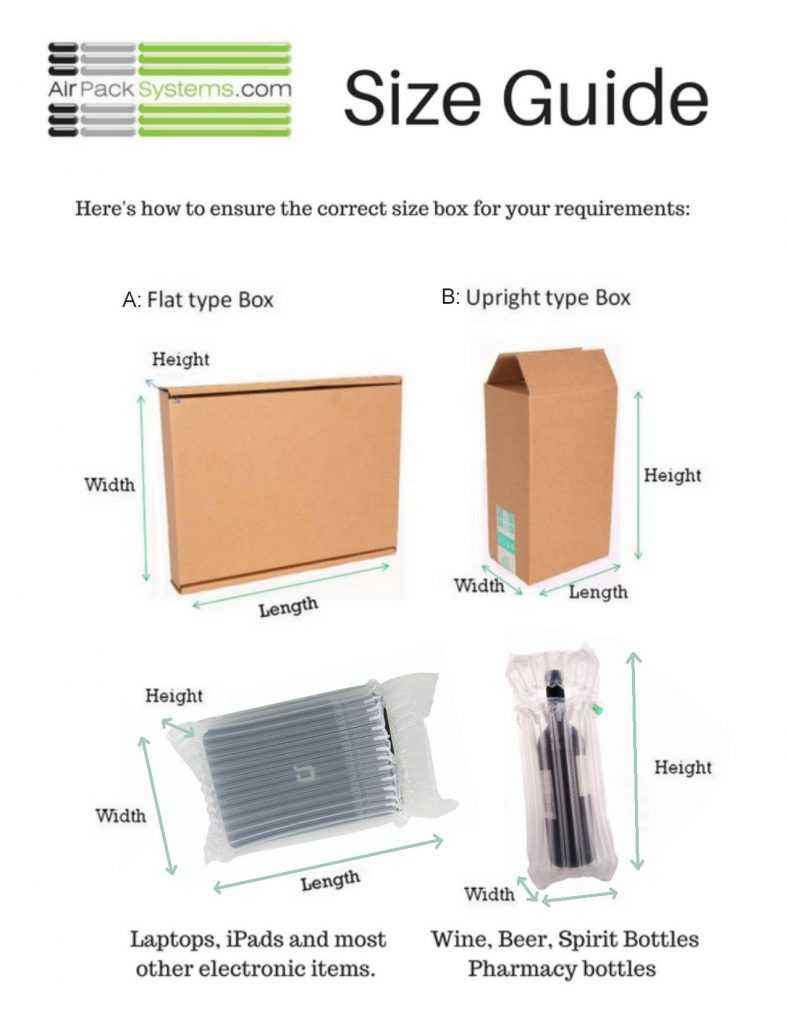
– Introduce a protective inflatable bag
– Review the strength of the outer carton
Then monitor the results.
A simple before-and-after comparison can show whether the change actually improves delivery performance.
Use the data to review packaging regularly
Product ranges, delivery networks and order volumes change over time.
Packaging that worked well two years ago may no longer provide the best solution today.
Regularly reviewing damaged delivery data gives businesses evidence they can use when deciding whether packaging needs to change.
It turns packaging decisions from guesswork into something much more measurable.
How AirPack can help
At AirPack Systems, we provide protective packaging for electronics, bottles, automotive products and many other fragile or valuable items.
Our inflatable air chambers help cushion products and reduce movement inside the outer carton, while the bags arrive uninflated to minimise storage requirements before use.
We can also develop bespoke packaging for products that need a more tailored solution.
Final thoughts
Every damaged delivery has a cost, but it can also provide information.
Tracking what was damaged, how it was packaged and what went wrong can help businesses spot recurring issues before they become larger problems.
By using damaged delivery data to guide packaging decisions, businesses can test improvements, reduce avoidable damage and build a more consistent shipping process over time.