TLDR Summary
International E-Waste Day 2026 highlights the growing problem of discarded electronics. Protecting devices during returns, refurbishment and reuse can help keep valuable technology in circulation for longer.
What is International E-Waste Day 2026?
The WEEE Forum created International E-Waste Day in 2018 to raise awareness of responsible e-waste management.
For 2026, the campaign asks people to recognise small electronic devices as e-waste and return them through suitable collection routes instead of putting them into general waste.
Examples of fast tech include cables, chargers, earbuds, small electronic toys and other inexpensive electrical products.
The campaign is primarily about what happens at the end of a product’s life, but it also raises a wider questions for businesses:
Could some electronics stay in use for longer before they become waste at all?
Reuse can come before recycling
Recycling plays an essential role once electronic equipment genuinely reaches the end of its usable life.
However, many devices entering returns or IT asset disposal channels may still have value.
Businesses regularly replace laptops, monitors, computers, networking equipment and other electronics. Depending on their condition, some products can undergo testing, repair, refurbishment or resale rather than moving immediately towards recycling.
This creates another important logistics challenge: transporting equipment without causing additional damage.
A functioning device that suffers damage while being returned or transferred between facilities may lose some or all of its potential for reuse.
Packaging matters during reverse logistics
We usually think about packaging as something used to send a new product to a customer.
Electronics can travel in the opposite direction too.
Returned and retired equipment may move from offices to ITAD providers, refurbishment facilities, resellers, repair centres or recycling facilities.
During these journeys, equipment still faces many of the same risks as a new product.
These can include:
- Drops and knocks during handling
- Movement inside the outer carton
- Pressure from other parcels
- Vulnerable screens, corners and edges
- Repeated loading and unloading
Good packaging therefore remains important even when the product is no longer being sold as new.
Protecting electronics can support their remaining value
Electronics often contain components with significant remaining value even after their first owner no longer needs them.
A laptop with cosmetic damage, a cracked monitor or a damaged casing may become harder to refurbish or resell.
Suitable protective packaging can help reduce these avoidable losses.
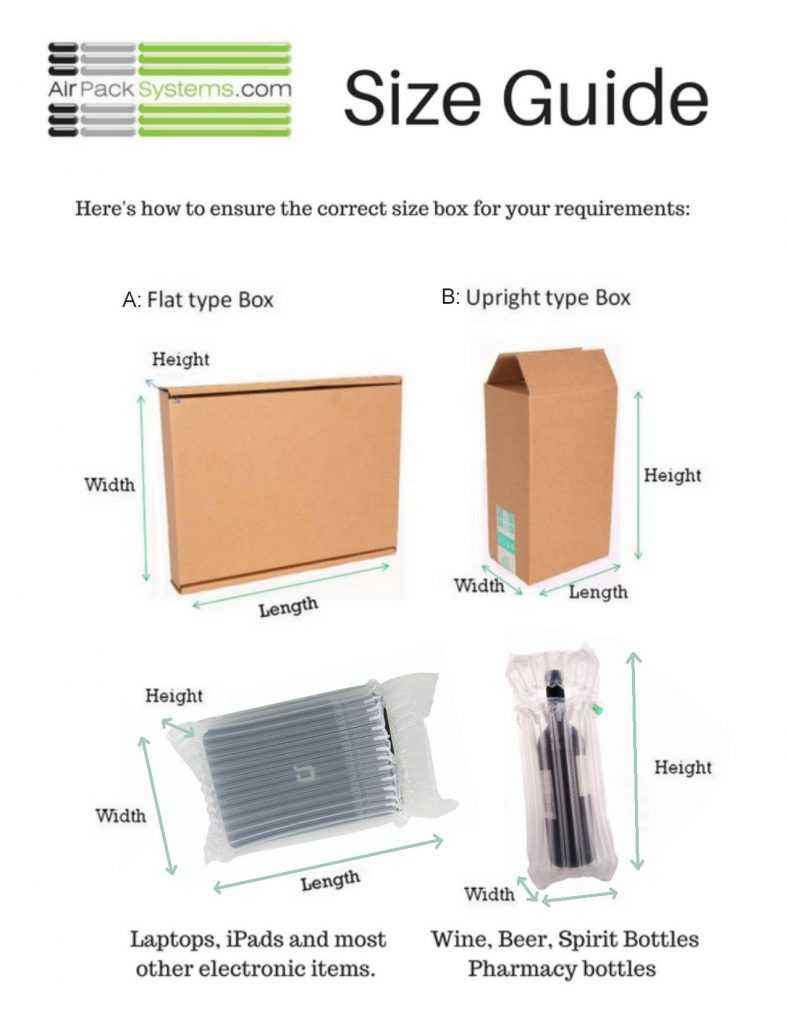
At AirPack Systems, our inflatable packaging surrounds products with air chambers that provide cushioning and help restrict movement within the outer box.
Because the bags arrive uninflated, businesses can also keep large quantities on hand without requiring the warehouse space associated with bulky pre-inflated protective packaging.
The packaging itself matters too
Businesses considering circularity should also think about what happens to the packaging after it has completed its job.
AirPack inflatable are 100% recyclable and contain 30% recycled material.
This means businesses can protect valuable electronics during transport while choosing a packaging solution designed with material use and end-of-life considerations in mind.
Of course, recyclable materials still need to enter the appropriate recycling system. Clear disposal information therefore remains important.
From IT asset disposal to refurbishment
The electronics lifecycle increasingly involves more than a simple journey from manufacturer to customer and then to waste.
Products can move through several businesses during their lifetime.
A laptop might leave an office, travel to an ITAD facility, undergo testing, move to a refurbisher and eventually reach a new owner.
At each stage, suitable packaging helps protect the equipment and preserve the value that remains within it.
For companies handling electronics returns or IT asset disposal, packaging should therefore form part of the wider process rather than becoming an afterthought.
International E-Waste Day is a useful reminder
International E-Waste Day 2026 rightly focuses attention on what we do with electronics when we no longer want them.
But recycling is only one part of a more circular approach.
Where equipment remains usable, extending its life through repair, refurbishment and reuse can keep products in circulation for longer.
And whenever those products need to move between businesses, warehouses or customers, effective protective packaging can help them reach the next stage in the condition required.
At AirPack Systems, we provide inflatable protective packaging for laptops, monitors, computers and other electronic equipment, as well as bespoke solutions for products that need more specialised protection.