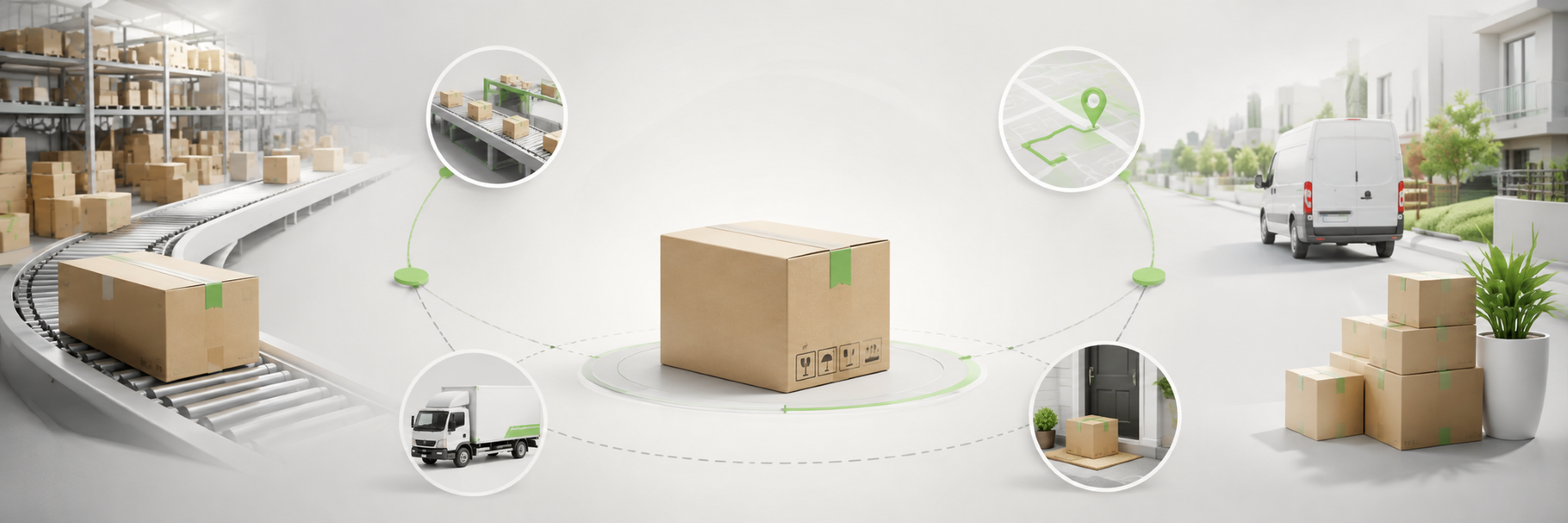
Once an order leaves your warehouse, the parcel delivery journey begins.
Before reaching the customer, a package may pass through several depots, vehicles, sorting systems and handling stages.
The product may be packed and the shipping label attached, but collection is only the beginning. Understanding what happens after dispatch can help businesses choose packaging that is suitable for real delivery conditions.
Collection from the sender
The first stage begins when parcels are collected from a warehouse, shop or fulfilment centre.
Packages are usually loaded alongside many other shipments of different shapes, sizes and weights. Even at this early point, parcels may experience movement, stacking and contact with surrounding boxes.
A strong outer box is important, but it must also be supported by suitable internal packaging that prevents the product from moving around.
Arrival at a sorting depot
Collected parcels are typically transported to a local depot where they are sorted according to their destination.
Depending on the courier and facility, parcels may move through:
- Conveyor systems
- Automated scanners
- Sorting chutes
- Loading cages
- Manual handling areas
Packaging therefore needs to withstand more than a single journey in the back of a van. It may be moved, turned and transferred several times before reaching the next stage.
Travelling between distribution hubs
Parcels travelling longer distances may be moved from a local depot to a regional or national distribution hub.
During this part of the journey, packages can be exposed to constant vibration and movement inside larger vehicles.
If a product has too much empty space around it, it can repeatedly shift or strike the inside of the box. This is why secure internal cushioning is particularly important for fragile, valuable or heavy items.
Stacking and surrounding pressure
Space inside delivery vehicles and sorting facilities is limited, so parcels may be stacked together during transport and storage.
A lightweight parcel could be positioned close to larger or heavier shipments. Although couriers use systems intended to organise parcels appropriately, businesses should still prepare packages for the pressures of a busy delivery network.
Using the correct box size and reliable protective packaging helps maintain stability and reduces the likelihood of crushing or movement.
The final-mile journey
Once the parcel reaches its destination area, it is sorted again and loaded into a delivery vehicle for the final journey to the customer.
This stage can involve:
- Frequent stopping and starting
- Parcels being moved as other deliveries are removed
- Repeated lifting and handling
- Movement around corners and over uneven roads
By the time the parcel reaches the customer, it may have been handled and transferred multiple times since leaving the original warehouse.
Why internal packaging matters
The outer box is only one part of an effective packaging system.
Internal protective packaging should help:
- Hold the product securely in place
- Cushion it against impacts
- Reduce vibration and repeated movement
- Protect corners, edges and delicate components
- Maintain a professional presentation on arrival
Without suitable internal protection, even a strong box may not prevent the product inside from becoming damaged.
Protecting products throughout the parcel delivery journey
Businesses should choose packaging based on the full delivery process rather than only how the parcel looks when it leaves the packing station.
The right solution will depend on factors such as:
- Product weight
- Fragility
- Shape and dimensions
- Value
- Distance travelled
- Number of handling stages
Choosing packaging for the entire journey can help reduce damaged deliveries and the costs associated with returns, replacements and repeat shipping.
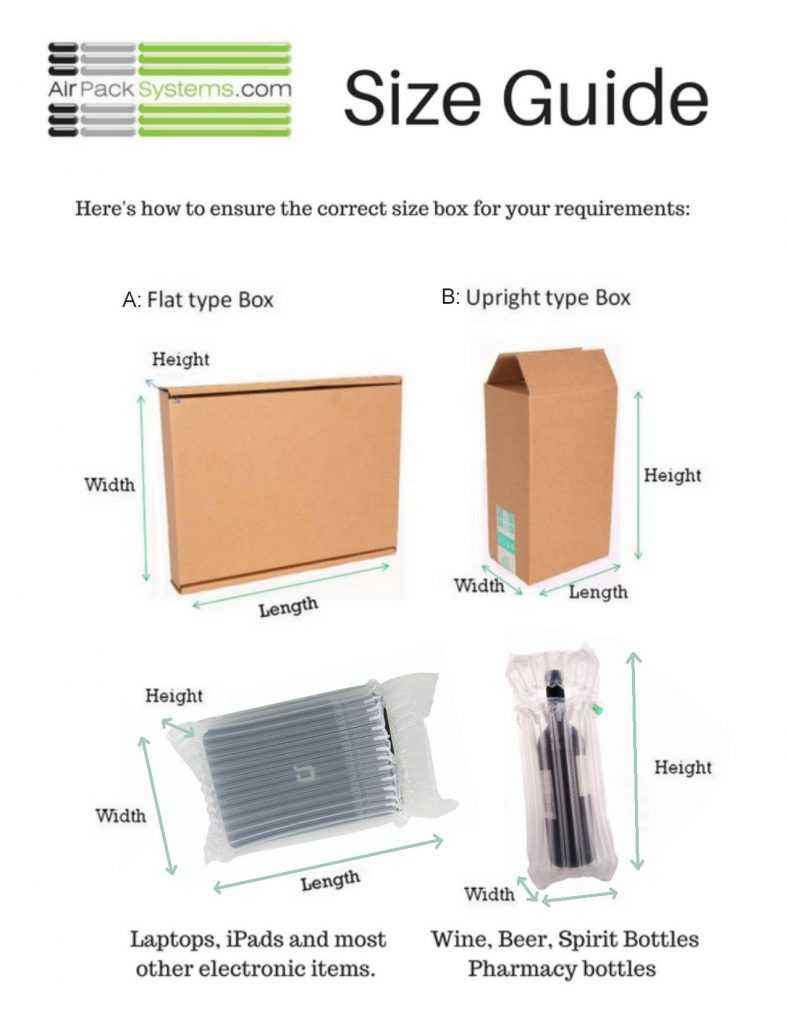
At AirPack Systems, our inflatable packaging surrounds products with protective air chambers that help absorb impacts and minimise movement inside the outer box.
Our bags are supplied uninflated, making them easy to store before use and they are recyclable once no longer required.
Final thoughts
A parcel may pass through several depots, vehicles and handling stages before it reaches the customer.
Choosing packaging that is suitable for the full parcel delivery journey helps protect products against movement, impacts and the pressures of everyday courier handling.
Combining a strong outer box with reliable internal protection can reduce avoidable damage and help products arrive in the condition customers expect.