Shipping fragile items comes with an obvious challenge — making sure they arrive in perfect condition.
Whether you’re sending electronics, glassware or other delicate products, the packaging you choose plays a critical role in preventing damage. But with so many options available, it can be difficult to know which solution offers the best protection.
Why fragile items are at higher risk
During transit, packages are exposed to a range of conditions, including:
- Drops and impacts
- Compression from stacking
- Movement inside the box
Fragile items are particularly vulnerable because they are less able to absorb these stresses. Without the right packaging, even minor impacts can lead to damage.
What makes packaging effective?
The best packaging for fragile items should do three things:
Minimise movement
Products should be held securely in place to prevent shifting.
Absorb impact
Materials should cushion shocks and reduce the force transferred to the item.
Provide consistent protection
The level of protection should remain reliable throughout the journey.
Common packaging options
There are several widely used packaging materials, each with its own strengths and limitations.
Bubble wrap
Bubble wrap is a popular choice for wrapping fragile items. While it offers some cushioning, it can compress under pressure and may not provide consistent protection for heavier or more delicate products.
Paper packing
Paper is often used as a void fill material. It is cost-effective and recyclable, but it does not absorb impact as effectively as other options and can shift during transit.
Foam inserts
Foam provides strong protection and can be shaped to fit specific products. However, it can be bulky, take up storage space and increase shipping costs.
A more reliable solution: inflatable packaging
Inflatable packaging is designed specifically to protect fragile items during transit.
By creating a structured layer of air around the product, it helps to:
- Reduce movement inside the box
- Absorb impacts more effectively
- Provide consistent cushioning
Because the packaging wraps securely around the item, it offers a more controlled and reliable level of protection compared to loose materials.
Efficiency and cost considerations
Beyond protection, packaging also affects efficiency and cost.
Lightweight solutions can help reduce shipping fees, while compact materials improve storage and packing processes.
Inflatable packaging, for example, is stored flat before use, meaning it takes up far less space than bulkier alternatives such as foam or paper-based materials.
Creating a better customer experience
Packaging doesn’t just protect your product — it also influences how your brand is perceived.
Items that arrive safely and well-presented help build trust and encourage repeat purchases. On the other hand, damaged goods can lead to returns, complaints and lost customers.
Choosing the right packaging is therefore an important part of delivering a positive customer experience.
How we can help
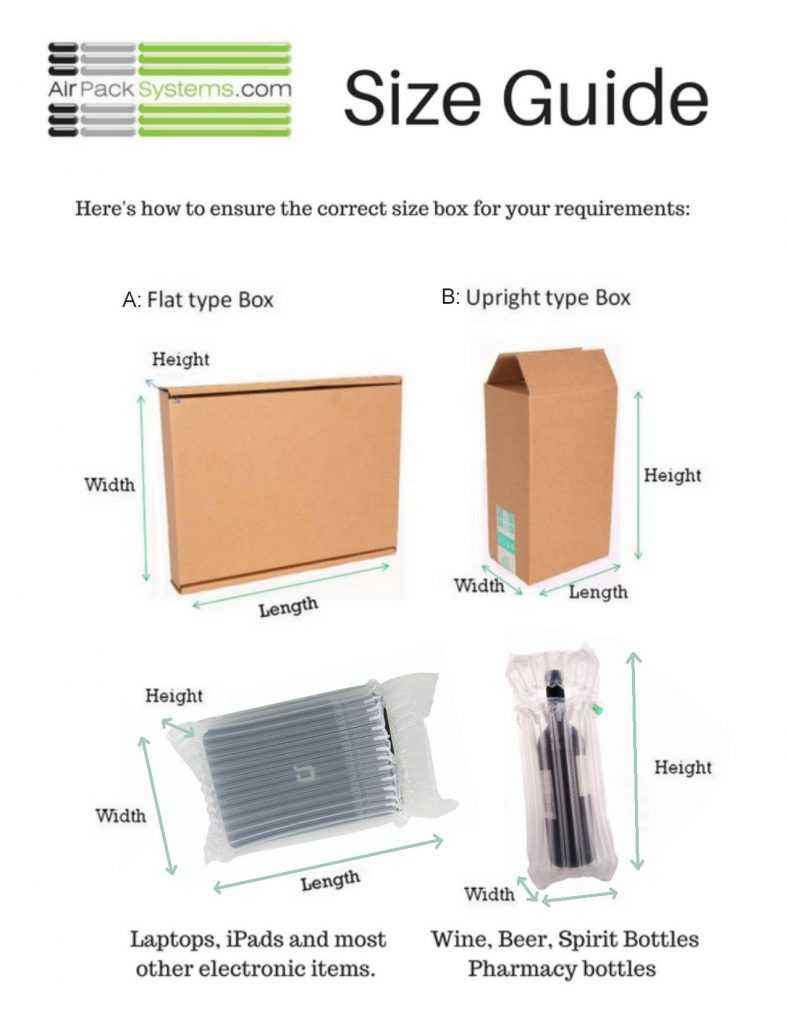
At AirPack Systems, we provide high-quality inflatable packaging designed to protect fragile items in transit.
Our solutions offer reliable cushioning, reduce movement and help ensure products arrive in excellent condition. With a range of options available, we can help you find the right packaging for your specific requirements.
Get in touch with us today to learn more about how we can support your packaging needs.